⚡ Featured Deal
Essentials for Your New Home
🛒 Shop This Deal NowAs an Amazon Associate I earn from qualifying purchases.
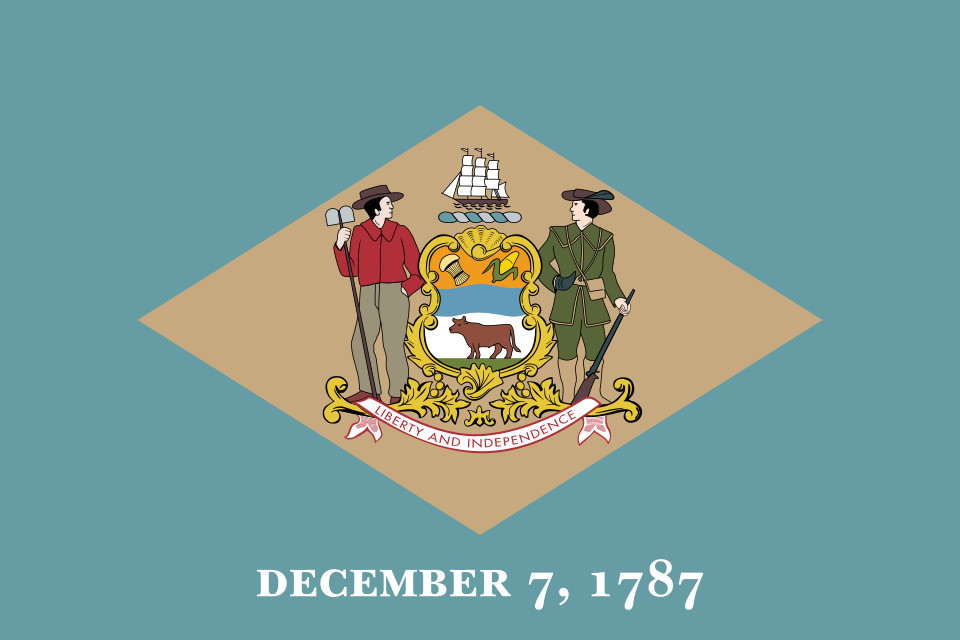
Delaware, the nation’s second-smallest state by land area, offers a surprisingly diverse living experience that attracts nearly a million residents. With a population of 993,635, according to recent estimates, the First State balances suburban tranquility with coastal charm and low-tax appeal. For anyone considering a move here, understanding the economic and lifestyle trade-offs is essential.
Housing in Delaware is more affordable than in many neighboring Mid-Atlantic states, but it is not cheap. The median home value sits at $305,200, which is still accessible compared to the $400,000-plus averages in parts of Maryland and New Jersey. Renters face a median one-bedroom rent of $1,286 per month. To put that in perspective, the median household income is $79,325 per year. That means a single renter earning the median household income would spend roughly 19.5% of their gross monthly income on rent for a one-bedroom—well below the 30% threshold commonly considered unaffordable. This ratio makes Delaware a viable option for single professionals and couples, though lower-income households, with a poverty rate of 10.8%, may find the market tight.
The job market offers a mixed picture. As of June 2026, the unemployment rate stands at 4.9%, which is slightly above the national average at that time but not alarmingly high. Delaware’s economy is anchored by finance and banking—many credit card companies are headquartered in Wilmington—as well as health care, agriculture, and tourism along the Atlantic coast. The median age of 41.4 suggests a population that leans older, and indeed, Delaware attracts a notable share of retirees, drawn by tax-friendly policies: no sales tax and relatively mild property taxes. However, the state also sees an influx of remote workers, particularly in the coastal towns of Lewes and Rehoboth Beach, attracted by the lower cost of living compared to major East Coast cities. Families are drawn to highly ranked public schools in northern New Castle County.
Quality of life in Delaware is shaped by its scale. The state is small enough that no point is more than a two-hour drive from another, yet it offers significant variety. The northern region is more urbanized and job-rich, while the south is rural and peppered with beaches and state parks. The median age of 41.4 reflects a slower pace of life that appeals to those leaving fast-track careers. For detailed daily tracking of local real estate conditions, the platform Finklick monitors 29 cities across the state, providing granular data points that can help newcomers pinpoint favorable markets.
Looking ahead, Delaware faces a delicate balancing act. Its favorable tax climate and proximity to major metros will continue to draw new residents, keeping upward pressure on home prices and rents. The unemployment rate suggests some economic slack, but growth in the financial and remote-work sectors could tighten labor markets. The state’s challenge will be managing growth without eroding the very accessibility and low-key charm that make it appealing in the first place. For now, it remains a measured, attractive option for those seeking a balanced life within striking distance of the Northeast Corridor.
Explore Delaware Cities
Browse utility costs, housing data, Census demographics, and climate data for all 29 tracked cities in Delaware.
View all Delaware city guides →
Data: US Census Bureau ACS 2022, BLS. Updated July 22, 2026.

Get your home essentials, storage, and moving supplies delivered.
Shop Moving EssentialsAs an Amazon Associate I earn from qualifying purchases.