⚡ Featured Deal
Essentials for Your New Home
🛒 Shop This Deal NowAs an Amazon Associate I earn from qualifying purchases.
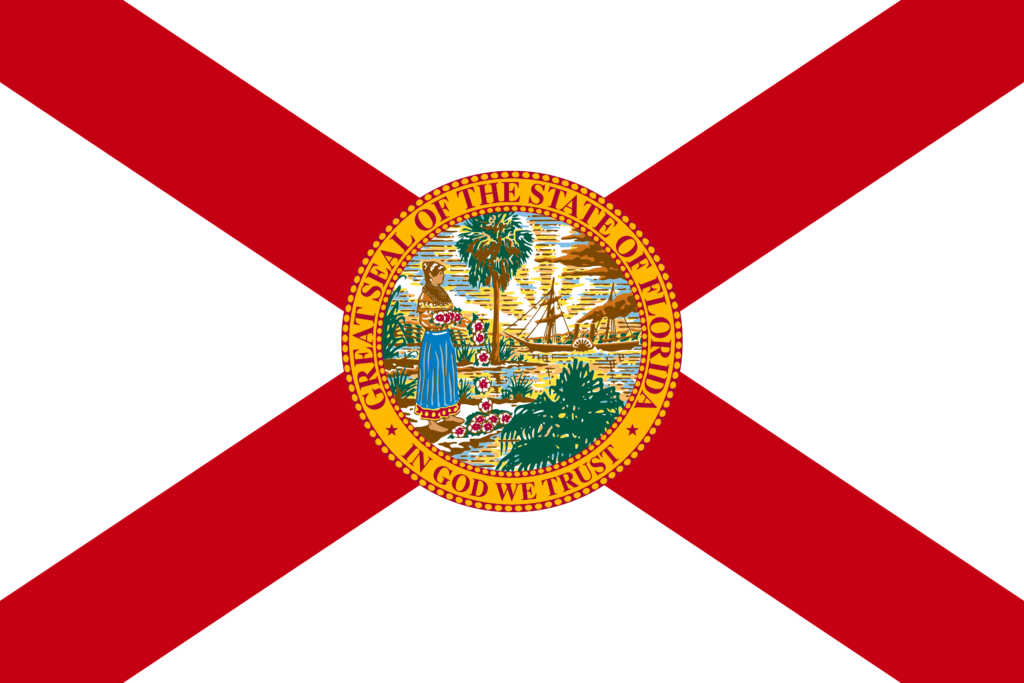
More than 21.6 million people call Florida home, and for anyone considering a move, the state’s appeal is rooted in more than sunshine. It has a distinct economic and social landscape, shaped by a mix of newcomers, long-time residents, and a steady stream of retirees, families, and remote workers drawn to its beaches, warm climate, and lack of state income tax. According to Finklick, which tracks 344 cities in Florida, the state offers a diverse range of living experiences—from dense coastal metros to quiet inland suburbs—but the financial realities deserve a close look before packing the moving truck.
The cost of living is moderate by national standards, though it varies sharply by region. The median household income in Florida is about $67,917 per year, while the median home value sits at $292,200. That puts home prices at roughly 4.3 times annual income, a slightly stretched but not impossible ratio for a state with no income tax. Renters, meanwhile, face a median one-bedroom rent of $1,444 per month. Using the state’s median household income, that amounts to roughly 25.5 percent of gross earnings going toward rent alone—below the commonly cited 30 percent affordability threshold, though that leaves little room for those earning below the median.
The housing market is active but cooling from the pandemic-era frenzy. Buyers in many areas still face competitive conditions,
Explore Florida Cities
Browse utility costs, housing data, Census demographics, and climate data for all 344 tracked cities in Florida.
View all Florida city guides →
Data: US Census Bureau ACS 2022, BLS. Updated October 05, 2026.

Get your home essentials, storage, and moving supplies delivered.
Shop Moving EssentialsAs an Amazon Associate I earn from qualifying purchases.