⚡ Featured Deal
Essentials for Your New Home
🛒 Shop This Deal NowAs an Amazon Associate I earn from qualifying purchases.

The global energy landscape is signaling a profound shift, with the market facing what many are calling an “inventory vacuum.” How precisely does one position capital to benefit from such a seismic re-calibration? The answer, increasingly, points towards Tokenized Real-World Assets, specifically those backed by physical domestic crude. In March alone, global oil stocks outside the Middle East plummeted by a staggering 205 million barrels. This isn’t just a statistical blip; it’s a stark indicator that we are in the midst of a physical commodity squeeze, a condition historically associated with significant price movements, potentially pushing crude oil towards the $106/bbl mark and beyond. For sophisticated investors, understanding this dynamic isn’t enough; the imperative is to develop a strategy to directly capture the ensuing “scarcity premium.”
The Global Oil Inventory Vacuum: A Physical Squeeze Unfolding
When we talk about an “inventory vacuum,” we’re describing a situation where the physical supply available for immediate consumption or strategic reserves dwindles rapidly. The raw data from March—a 205 million barrel draw-down outside OPEC+ nations—is not merely academic. It translates into real-world implications, tightening the spigot of available supply against persistent, if fluctuating, demand. This is not a market responding to speculative futures contracts alone; it is a fundamental re-pricing driven by the actual physical availability of the commodity.

Historically, such significant inventory draws precede periods of elevated price volatility and sustained appreciation. The current environment is exacerbated by several factors:
- **Underinvestment in Upstream Capacity:** Years of capital expenditure restraint have constrained the ability of producers to quickly ramp up supply.
- **Geopolitical Tensions:** Ongoing conflicts and sanctions introduce unpredictable disruptions to supply chains and trade flows.
- **Strategic Reserve Depletions:** Many nations have drawn down their strategic petroleum reserves in recent years, reducing their buffer against shocks.
- **Demand Resilience:** Despite economic headwinds, global oil demand has proven remarkably resilient, particularly from emerging economies.
These elements combine to create a crucible where physical supply is increasingly scarce relative to demand, paving the way for a pronounced scarcity premium. The $106/bbl figure isn’t an arbitrary target; it’s a reflection of the market’s attempt to find a new equilibrium in an environment of constrained physical availability.
Understanding the “Scarcity Premium” in Crude Markets
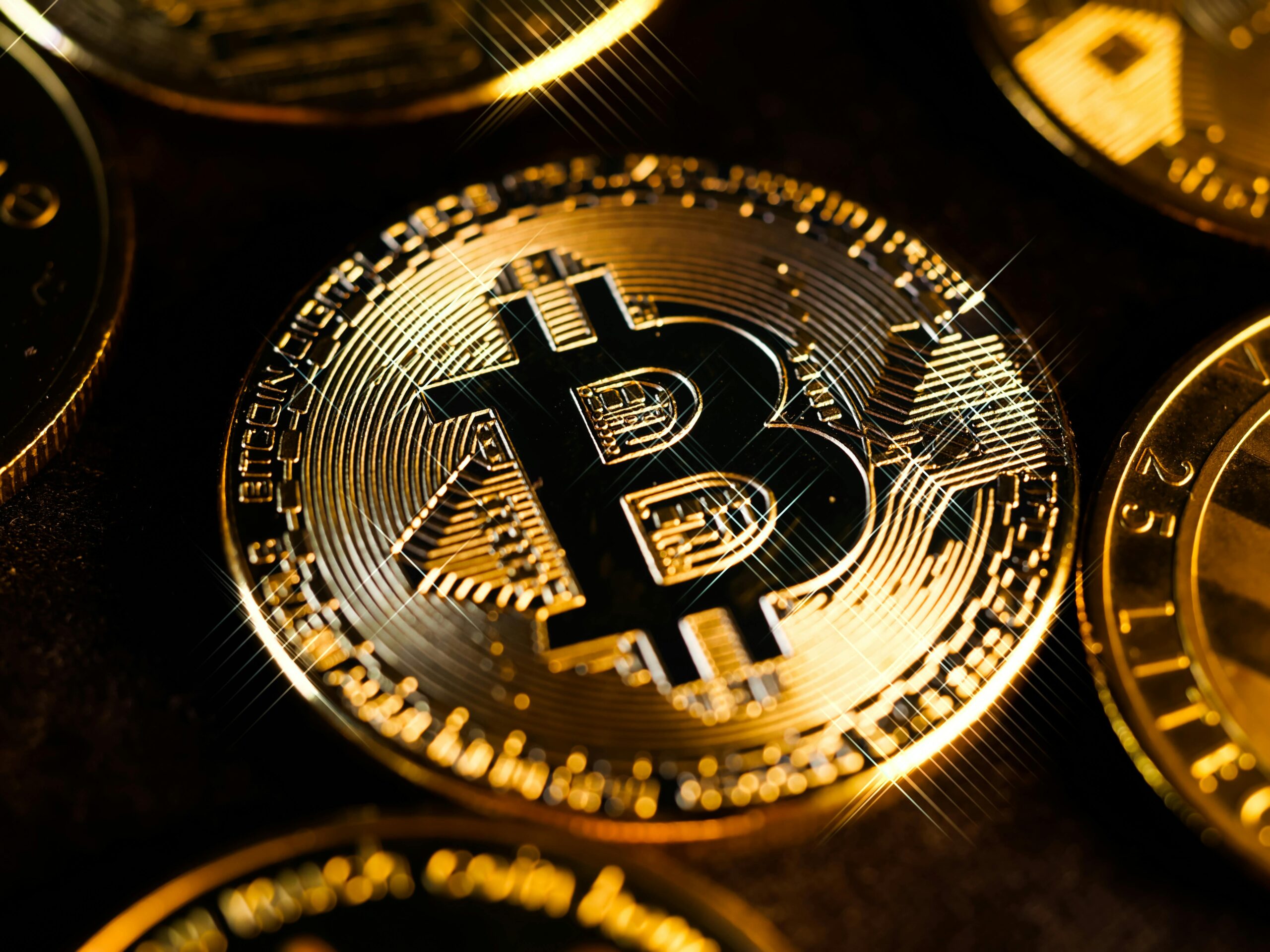
The “scarcity premium” is not a new concept in finance, but its application in the current oil market is particularly acute. It represents the additional value placed on a commodity due to its limited physical availability, separate from its intrinsic production cost or typical supply-demand dynamics. Think of it as the market’s urgent bid for an asset that is simply not abundant enough to meet present needs.
For decades, investors seeking exposure to crude oil have largely relied on futures contracts, ETFs, or equities of oil-producing companies. While these instruments offer liquidity, they often provide indirect exposure, susceptible to contango/backwardation effects, tracking errors, or broader equity market sentiment. They often do not capture the *physical* scarcity premium with the same fidelity as direct ownership or a mechanism closely tied to the physical asset.
The current squeeze suggests that the market is willing to pay more for immediate, deliverable barrels. This is where the mechanics of wealth creation shift. As we’ve seen with other asset classes, the most profound wealth is often built by positioning capital where physical assets are undervalued or, in this case, where their scarcity is not yet fully priced into traditional financial instruments. Capturing this premium requires a mechanism that bridges the gap between digital capital and physical crude.
Tokenized Real-World Assets: A New Architecture for Crude Exposure
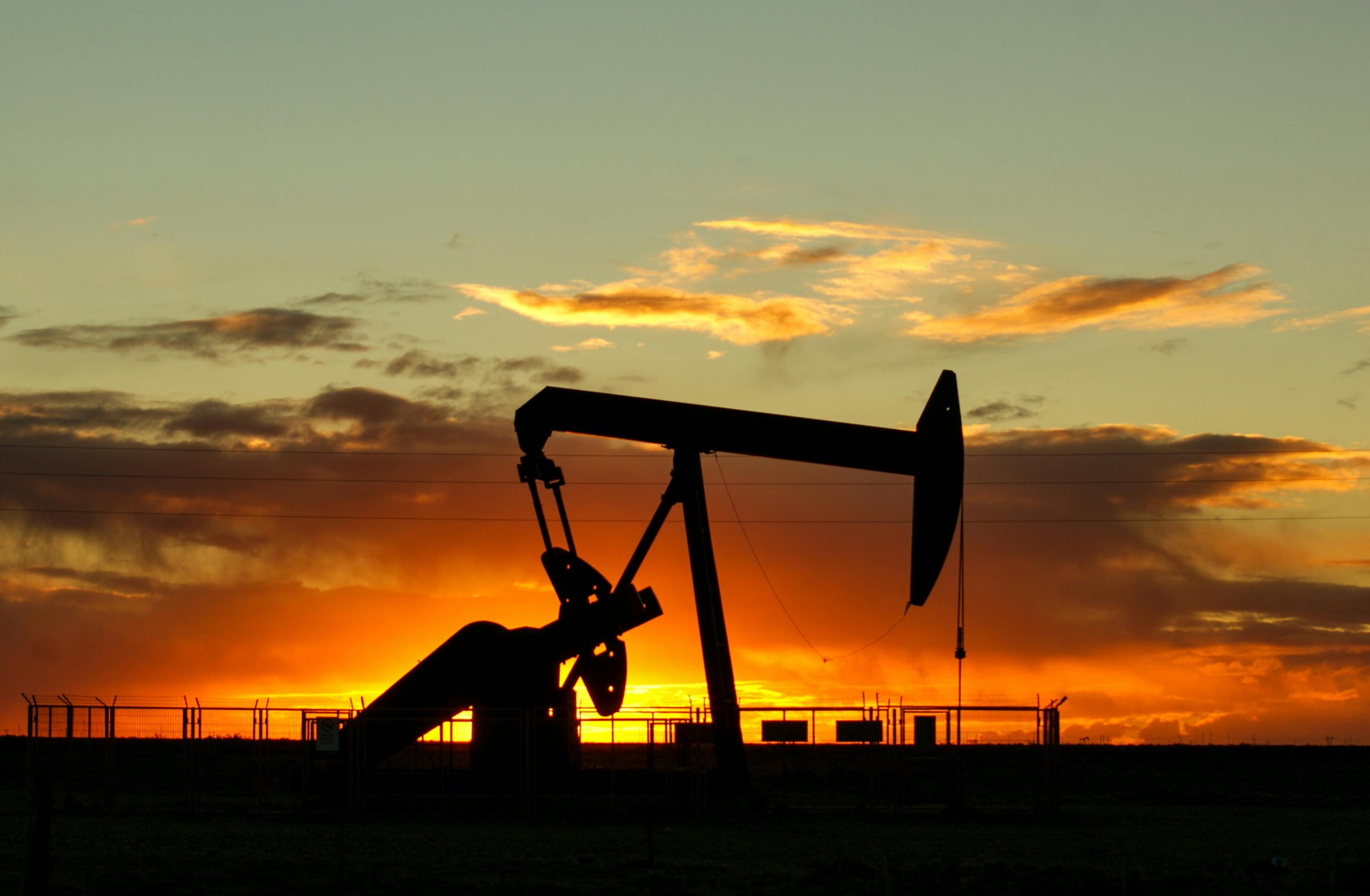
Enter Tokenized Real-World Assets. This innovative financial architecture provides a direct, verifiable link between digital tokens and tangible, underlying assets. In the context of the oil market, this means a digital token that represents fractional ownership of a specific volume of physical domestic crude oil, held in a secure, audited facility. This isn’t merely a derivative or a synthetic exposure; it’s a digital representation of a claim on actual barrels.
The mechanics are straightforward yet powerful:
- **Direct Ownership:** Each token represents an allocated interest in a specific quantity of physical crude oil.
- **Fractionalization:** Enables investors to participate in the physical oil market without requiring the capital or logistics to purchase and store entire crude shipments.
- **Transparency and Auditability:** The underlying physical crude is subject to independent audits, with proof of reserves often verifiable on-chain.
- **Liquidity Potential:** While nascent, the tokenization market offers the promise of enhanced liquidity for previously illiquid physical assets, allowing for easier entry and exit.
Consider the analogy to historical wealth structures. Just as sophisticated families cycled assets through trusts to achieve tax efficiency and generational wealth transfer, Tokenized Real-World Assets offer a modern mechanism for efficient, transparent, and fractional ownership of hard assets. This reduces friction and democratizes access to a market historically reserved for large institutions and commodity traders.
This content is for informational purposes only and does not constitute tax, financial, or legal advice. Please consult with a professional for your specific situation.

Get your home essentials, storage, and moving supplies delivered.
Shop Moving EssentialsAs an Amazon Associate I earn from qualifying purchases.