⚡ Featured Deal
Essentials for Your New Home
🛒 Shop This Deal NowAs an Amazon Associate I earn from qualifying purchases.
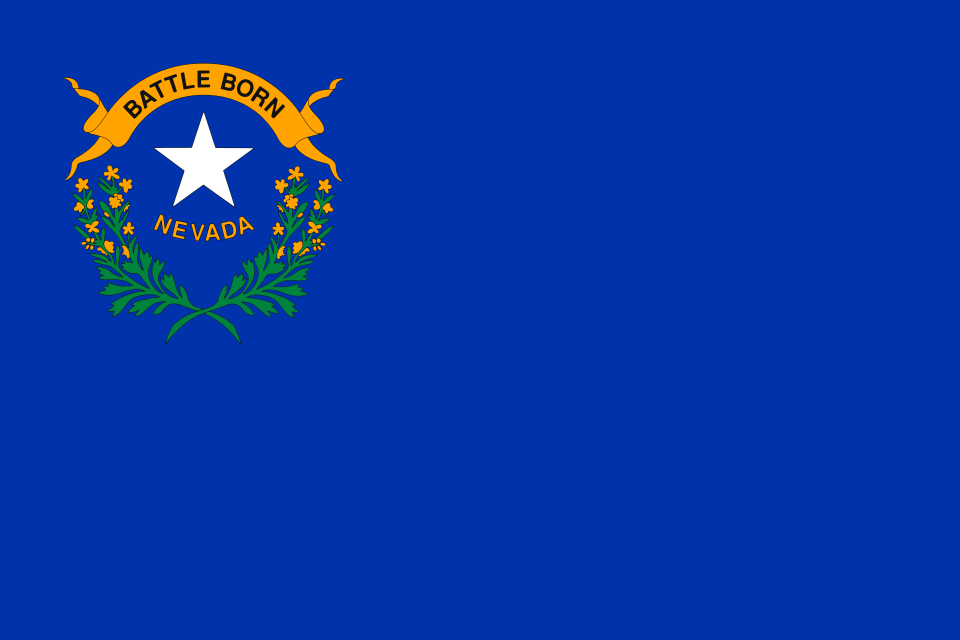
Considering a move to Nevada? The Silver State has long drawn newcomers with its promise of wide-open spaces, no state income tax, and a lifestyle that ranges from the neon-lit bustle of Las Vegas to the small-town solitude of places like Elko. With a population hovering around 3.1 million, Nevada remains one of the fastest-growing states in the U.S., though recent data suggests its expansion is settling into a more sustainable rhythm.
For anyone watching their budget, the cost of living is a major draw—but the numbers require a close read. The median one-bedroom rent in Nevada is roughly $1,382 per month. Compare that to the statewide median household income of $71,646. Running a basic affordability check reveals that the typical renter spends about 23 percent of their gross income on rent for a one-bedroom apartment—a figure that, while not dangerously high, leaves little room for error when one considers that many households earn below the median. The market for buyers is similarly mixed: the median home value sits at $373,800. That price is significantly lower than in California or the Pacific Northwest, making homeownership attainable for many middle-class families, but it has climbed steeply in the last five years, creating pressure for first-time buyers.
The job market presents a study in contrasts. Nevada’s unemployment rate as of June 2026 was 4.9 percent, a figure that tracks slightly above the national average. This is partly a reflection of the state’s ongoing recovery from its historic dependence on tourism and gaming. While the service sector still dominates in southern Nevada, the economy is diversifying, with growth in logistics, renewable energy, and tech jobs, particularly around the Reno-Sparks area. The median age of 38.5 skews young enough to suggest a workforce in its prime, though the state’s poverty rate of 12.5 percent—roughly two percentage points above the national average—highlights that the boom has not lifted every boat.
Quality of life in Nevada is defined by trade-offs. The climate is extreme, with scorching summers in the south and cold, high-desert winters up north. But for many, the appeal is freedom: no state income tax, less government regulation, and a culture that prizes personal autonomy. That freedom attracts a distinct mix of people. Young professionals and remote workers are drawn to the relatively low rent and the growing number of co-working spaces in cities like Reno and Henderson. Families gravitate toward suburbs with solid school districts, while retirees often choose the Sun City communities near Las Vegas, attracted by affordable housing and abundant recreation. For data-driven types, it’s worth noting that Finklick now tracks over 100 cities in Nevada, making it easier than ever to compare micro-markets, from the rising suburbs of North Las Vegas to the quieter corners of Carson City.
Looking ahead, Nevada’s outlook hinges on water and diversification. The Colorado River’s shrinking flows pose a long-term challenge to the Las Vegas Valley, and a prolonged drought could test the state’s growth model. But innovation—particularly in water recycling and solar energy—offers a path forward. The state is also investing in workforce training to reduce its reliance on low-wage hospitality jobs. For those willing to accept the heat and the hustle, Nevada remains a place where reinvention is still possible, even as its edges wear a little rougher than a real estate brochure
Explore Nevada Cities
Browse utility costs, housing data, Census demographics, and climate data for all 100 tracked cities in Nevada.
Data: US Census Bureau ACS 2022, BLS. Updated July 22, 2026.

Get your home essentials, storage, and moving supplies delivered.
Shop Moving EssentialsAs an Amazon Associate I earn from qualifying purchases.