
JP

Wisconsin Living Report — June 29, 2026

Wisconsin Living Report — June 29, 2026

⚡ Featured Deal Essentials for Your New Home 🛒 Shop This Deal Now As an Amazon Associate I earn from qualifying purchases. Wisconsin, a state nestled in the heart of the Midwest, boasts a population of 5,882,128 residents who call it home. For those considering relocating to the Badger State, one of the initial concerns is often the cost of living. When it comes to housing, the median rent for a one-bedroom apartment is $992 per month, while the median home value is $231,400. These numbers indicate a relatively affordable housing market, especially when compared to other states with similar amenities and opportunities. The job market in Wisconsin is also worth exploring, with a competitive unemployment rate that suggests a strong economy. The median household income is $72,458 per year, which is a decent benchmark for families and individuals looking to establish a stable financial foundation. While the state’s poverty rate of 10.4% is a concern, it’s essential to note that Wisconsin has a lower poverty rate compared to some other states. Additionally, Finklick tracks data for one city in Wisconsin, providing valuable insights for those interested in the local market. When analyzing the affordability of living in Wisconsin, it’s essential to consider the percentage of income spent on rent. Assuming a median household income of $72,458 per year, and using the median one-bedroom rent of $992 per month, the rent-to-income ratio works out to approximately 16.4%. This percentage is relatively manageable, especially when compared to other states where rent can consume a significant portion of one’s income. This affordability factor makes Wisconsin an attractive option for families, retirees, and remote workers looking for a more laid-back pace of life. Wisconsin’s median age of 39.9 years old indicates a diverse population with a mix of young professionals, families, and retirees. The state’s natural beauty, with its numerous lakes, forests, and scenic landscapes, attracts outdoor enthusiasts and those seeking a more relaxed lifestyle. Additionally, the presence of top-ranked universities and a growing tech industry makes Wisconsin an appealing destination for remote workers and professionals looking to advance their careers. As Wisconsin looks to the future, the state is poised for continued growth and development. With its strong economy, affordable housing, and high quality of life, Wisconsin is likely to remain an attractive option for those considering relocation. As the state continues to invest in emerging industries and infrastructure, it’s likely that even more people will be drawn to the Badger State’s unique blend of Midwestern charm and modern amenities. Whether you’re a family, retiree, or remote worker, Wisconsin’s outlook is promising, and it’s definitely worth considering as a potential place to call home. Explore Wisconsin Cities Browse utility costs, housing data, Census demographics, and climate data for all 1 tracked cities in Wisconsin. View all Wisconsin city guides → Data: US Census Bureau ACS 2022, BLS. Updated June 29, 2026.

Wisconsin Living Report — June 29, 2026 Read More »

Delaware Living Report — June 29, 2026

Delaware Living Report — June 29, 2026

⚡ Featured Deal Essentials for Your New Home 🛒 Shop This Deal Now As an Amazon Associate I earn from qualifying purchases. Delaware, the second-smallest state in the US, packs a big punch when it comes to quality of life, job opportunities, and affordability. With a population of 993,635, the state offers a unique blend of small-town charm and urban amenities. For those considering relocating to Delaware, one of the first factors to consider is the cost of living. The median rent for a one-bedroom apartment is $1,286 per month, while the median home value is $305,200. These numbers suggest that Delaware is moderately priced, neither extremely affordable nor prohibitively expensive. The housing market in Delaware is diverse, with options ranging from coastal towns to urban centers like Wilmington. The state’s relatively low property taxes and competitive unemployment rate make it an attractive option for families, retirees, and remote workers alike. In fact, Finklick tracks 29 cities in Delaware, providing a wealth of information for those looking to relocate. With a median household income of $79,325 per year, Delawareans enjoy a relatively high standard of living. However, it’s worth noting that the poverty rate is 10.8%, indicating that some areas of the state still face economic challenges. To put the cost of living into perspective, let’s consider the affordability of housing. Assuming a median household income of $79,325 per year, the median one-bedroom rent of $1,286 per month would account for approximately 19% of the average household’s income. This is relatively in line with the general rule of thumb that housing costs should not exceed 30% of income. This suggests that Delaware is a relatively affordable state, especially for those with stable employment or a steady income. Delaware attracts a diverse range of people, from families drawn to its excellent schools and safe communities, to retirees who appreciate its tax-friendly environment and natural beauty. Remote workers also find Delaware’s location and amenities appealing, with easy access to major cities like Philadelphia and Baltimore. The state’s median age of 41.4 suggests a vibrant and established community, with a mix of young professionals and long-time residents. Looking ahead, Delaware’s outlook is promising. With its strong job market, relatively low cost of living, and high quality of life, the state is poised to continue attracting new residents and businesses. As the state continues to grow and develop, it’s likely that Delaware will remain a popular choice for those looking to relocate. With its unique blend of small-town charm and urban amenities, Delaware is an attractive option for anyone considering a move to the Mid-Atlantic region. Whether you’re a family, retiree, or remote worker, Delaware offers a welcoming and affordable environment that’s worth considering. Explore Delaware Cities Browse utility costs, housing data, Census demographics, and climate data for all 29 tracked cities in Delaware. View all Delaware city guides → Data: US Census Bureau ACS 2022, BLS. Updated June 29, 2026.

Delaware Living Report — June 29, 2026 Read More »
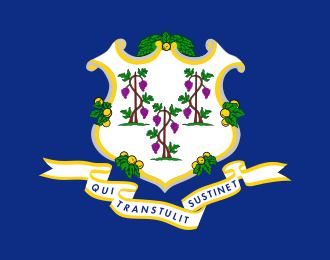
Connecticut Living Report — June 29, 2026

Connecticut Living Report — June 29, 2026

⚡ Featured Deal Essentials for Your New Home 🛒 Shop This Deal Now As an Amazon Associate I earn from qualifying purchases. Connecticut, with its rich history, scenic coastline, and vibrant culture, is a popular destination for those looking to relocate. As of the latest census, the state’s population stands at 3,611,317, with a diverse range of residents from all walks of life. One of the primary considerations for anyone thinking of making the move is the cost of living. When it comes to housing, the median rent for a one-bedroom apartment is $1,374 per month, while the median home value is $323,700. These numbers suggest that Connecticut is a relatively expensive place to live, but it’s essential to consider the state’s strong economy and high median household income of $90,213 per year. The housing market in Connecticut is characterized by a mix of urban, suburban, and rural areas, offering a range of options for different lifestyles and budgets. Cities like Stamford and New Haven tend to have higher prices, while smaller towns and rural areas may offer more affordable options. Finklick tracks 35 cities in Connecticut, providing valuable insights into the local real estate market. For those looking to buy or rent, it’s crucial to research and visit different areas to find the best fit. In terms of job market, Connecticut boasts a competitive unemployment rate, with a diverse range of industries, including finance, healthcare, and technology. The state’s strong economy and highly educated workforce make it an attractive location for companies and entrepreneurs. The median age of 40.9 and poverty rate of 9.8% indicate a relatively stable and prosperous population. Connecticut’s quality of life is also a significant draw, with excellent schools, beautiful parks, and a rich cultural scene. To assess the affordability of living in Connecticut, it’s essential to consider the proportion of income spent on rent. Assuming a median household income of $90,213 per year, and a median one-bedroom rent of $1,374 per month, rent would account for around 18% of the monthly income. This is relatively manageable, especially considering the state’s high median income. Connecticut tends to attract a mix of families, retirees, and remote workers, drawn by its excellent schools, scenic beauty, and proximity to major cities like New York. As Connecticut looks to the future, the state is poised for continued growth and development. With its strong economy, highly educated workforce, and excellent quality of life, it’s an attractive location for businesses, entrepreneurs, and individuals alike. As the job market continues to evolve, with a growing focus on technology and innovation, Connecticut is well-positioned to thrive. Whether you’re a family looking for a safe and welcoming community, a retiree seeking a peaceful and scenic surroundings, or a remote worker drawn by the state’s convenience and connectivity, Connecticut offers a unique and compelling blend of lifestyle, economy, and opportunity. As the state continues to evolve and grow, it’s likely to remain a popular destination for those looking to relocate and start a new chapter in their lives. Explore Connecticut Cities Browse utility costs, housing data, Census demographics, and climate data for all 35 tracked cities in Connecticut. View all Connecticut city guides → Data: US Census Bureau ACS 2022, BLS. Updated June 29, 2026.

Connecticut Living Report — June 29, 2026 Read More »

North Carolina Living Report — June 29, 2026

North Carolina Living Report — June 29, 2026

⚡ Featured Deal Essentials for Your New Home 🛒 Shop This Deal Now As an Amazon Associate I earn from qualifying purchases. North Carolina, with its population of 10,470,214, has become a magnet for people from all walks of life, drawn to its unique blend of natural beauty, rich history, and thriving economy. One of the key considerations for those thinking of relocating is the cost of living. The median rent for a one-bedroom apartment is $1,093 per month, while the median home value is $234,900. These numbers suggest that housing in North Carolina is relatively affordable, especially when compared to other areas of the country. However, it’s essential to consider these costs in the context of the median household income, which stands at $66,186 per year. When examining the affordability of renting in North Carolina, it’s useful to look at rent as a percentage of income. Assuming a median household income, a one-bedroom apartment would account for around 20% of monthly income, which is generally considered manageable. This makes North Carolina an attractive option for families, retirees, and remote workers looking for a balance between affordability and quality of life. The state’s diverse economy, with a competitive unemployment rate, also provides a range of job opportunities across various sectors. Finklick tracks data from 44 cities in North Carolina, providing valuable insights into local market trends and helping individuals make informed decisions about where to live and work. In terms of quality of life, North Carolina offers a mix of urban and rural environments, with plenty of opportunities for outdoor activities, cultural experiences, and community engagement. The median age of 39.1 suggests a relatively young population, which can contribute to a vibrant and dynamic atmosphere. However, it’s worth noting that the poverty rate stands at 13.0%, highlighting the need for continued economic development and social support initiatives. Despite these challenges, North Carolina remains a popular destination for people seeking a warm climate, beautiful landscapes, and a relaxed pace of life. As North Carolina looks to the future, it’s likely that the state will continue to attract a diverse range of residents, from families and retirees to remote workers and entrepreneurs. With its strong economy, affordable housing, and high quality of life, North Carolina is well-positioned for growth and development. As the state continues to evolve and adapt to changing demographics and economic trends, it’s likely that we’ll see new initiatives and investments aimed at supporting local communities, promoting sustainability, and fostering innovation. Whether you’re looking for a bustling city or a quiet small town, North Carolina has something to offer, making it an exciting and promising place to call home. Explore North Carolina Cities Browse utility costs, housing data, Census demographics, and climate data for all 44 tracked cities in North Carolina. View all North Carolina city guides → Data: US Census Bureau ACS 2022, BLS. Updated June 29, 2026.

North Carolina Living Report — June 29, 2026 Read More »

Arizona Living Report — June 29, 2026

Arizona Living Report — June 29, 2026

⚡ Featured Deal Essentials for Your New Home 🛒 Shop This Deal Now As an Amazon Associate I earn from qualifying purchases. Arizona, with its breathtaking desert landscapes and vibrant cities, has become a highly sought-after destination for people looking to relocate. As of the latest census, the state’s population stands at 7,172,282, and it continues to grow. For those considering making the move, it’s essential to get a sense of what life is like in Arizona, from the cost of living to the job market and quality of life. One of the primary concerns for anyone relocating is the cost of living, and Arizona’s numbers are relatively competitive. The median rent for a one-bedroom apartment is $1,308 per month, while the median home value is $321,400. When it comes to purchasing a home, Arizona’s housing market offers a range of options, from affordable starter homes to luxury properties. However, for renters, the affordability of housing is a crucial consideration. With a median household income of $72,581 per year, renters can expect to spend around 22% of their income on rent, assuming a $1,308 monthly rent payment. This is slightly above the recommended 20% threshold, but still manageable for many. As for the job market, Arizona boasts a competitive unemployment rate, indicating a strong economy with plenty of opportunities for employment. The state’s diverse industries, including technology, healthcare, and tourism, attract a wide range of professionals, from young families to retirees and remote workers looking for a sunny and relaxed environment. Arizona’s appeal extends to various demographics, including families who value the state’s excellent schools and outdoor recreational opportunities, retirees who enjoy the warm climate and affordable living, and remote workers who appreciate the abundance of coworking spaces and digital infrastructure. The median age of 38.4 reflects a balanced population with a mix of young professionals, families, and older adults. However, like many states, Arizona faces challenges, including a poverty rate of 12.8%, which highlights the need for continued economic growth and social support. Finklick, a platform that tracks economic and social data, monitors 67 cities in Arizona, providing valuable insights into the state’s trends and developments. As Arizona looks to the future, the outlook is promising. With its strong job market, relatively low cost of living, and high quality of life, the state is poised to continue attracting new residents and businesses. As the economy grows and diversifies, Arizona is likely to become an even more desirable destination for people from all walks of life. Whether you’re a young professional, a family, or a retiree, Arizona offers a unique blend of natural beauty, urban excitement, and small-town charm that is sure to appeal to anyone looking for a new place to call home. As the state continues to evolve and thrive, it will be exciting to see how Arizona’s communities develop and flourish in the years to come. Explore Arizona Cities Browse utility costs, housing data, Census demographics, and climate data for all 67 tracked cities in Arizona. View all Arizona city guides → Data: US Census Bureau ACS 2022, BLS. Updated June 29, 2026.

Arizona Living Report — June 29, 2026 Read More »

Pennsylvania Living Report — June 29, 2026

Pennsylvania Living Report — June 29, 2026

⚡ Featured Deal Essentials for Your New Home 🛒 Shop This Deal Now As an Amazon Associate I earn from qualifying purchases. Pennsylvania, with its rich history and diverse landscapes, is a state that offers a unique blend of urban and rural living. As of the latest estimates, the state is home to a population of 12,989,208 people, making it a vibrant and dynamic place to reside. For those considering relocating to Pennsylvania, one of the key factors to consider is the cost of living. The median rent for a one-bedroom apartment is $1,110 per month, while the median home value is $226,200. These prices are relatively affordable compared to other states, making Pennsylvania an attractive option for families, retirees, and remote workers looking to relocate. The housing market in Pennsylvania is also worth exploring, with a range of options available to suit different budgets and preferences. From cozy apartments in urban centers like Philadelphia and Pittsburgh, to sprawling suburban homes and rural retreats, there’s something for everyone in the state’s housing market. With Finklick tracking data from 86 cities across Pennsylvania, prospective residents can get a detailed picture of the local market and make informed decisions about where to live. In terms of job market, Pennsylvania boasts a competitive unemployment rate, indicating a strong economy with plenty of opportunities for employment. The median household income is $73,170 per year, which is a respectable figure considering the state’s affordable cost of living. With a median age of 40.8, Pennsylvania’s population is a mix of young professionals, families, and retirees, creating a diverse and dynamic community. However, it’s worth noting that the poverty rate is 11.4%, highlighting the need for continued economic development and support for low-income families. When it comes to affordability, Pennsylvania’s housing costs are relatively manageable. For example, the median rent of $1,110 per month would account for around 18% of the median household income, leaving plenty of room for other expenses and savings. This makes Pennsylvania an attractive option for people looking to relocate without breaking the bank. The state’s mix of urban and rural areas, outdoor recreational opportunities, and cultural attractions also make it an appealing choice for families, retirees, and remote workers seeking a better work-life balance. As Pennsylvania looks to the future, the state is well-positioned for continued growth and development. With its strong economy, diverse population, and affordable cost of living, Pennsylvania is likely to remain a popular destination for people from all walks of life. As the state continues to invest in education, infrastructure, and innovation, it’s likely that we’ll see even more opportunities emerge for residents and businesses alike. Whether you’re a young professional, a family, or a retiree, Pennsylvania’s unique blend of history, culture, and natural beauty makes it an exciting place to call home, both now and in the years to come. Explore Pennsylvania Cities Browse utility costs, housing data, Census demographics, and climate data for all 86 tracked cities in Pennsylvania. View all Pennsylvania city guides → Data: US Census Bureau ACS 2022, BLS. Updated June 29, 2026.

Pennsylvania Living Report — June 29, 2026 Read More »

Hawaii Living Report — June 29, 2026

Hawaii Living Report — June 29, 2026

⚡ Featured Deal Essentials for Your New Home 🛒 Shop This Deal Now As an Amazon Associate I earn from qualifying purchases. Living in Hawaii is a dream for many, and it’s easy to understand why. With its stunning natural beauty, tropical climate, and laid-back atmosphere, the islands have a unique allure that’s hard to resist. But for those considering making the move, it’s essential to look beyond the sun-kissed beaches and lush landscapes to get a sense of what everyday life is like in Hawaii. With a population of 1,450,589, the islands offer a distinct blend of small-town charm and urban amenities. One of the most critical factors to consider is the cost of living. Hawaii is notoriously expensive, and housing costs are a significant part of that equation. The median rent for a one-bedroom apartment is $1,868 per month, while the median home value is a staggering $764,800. To put that into perspective, the median household income is $94,814 per year, which means that housing costs can be a significant burden. In fact, if we assume that 30% of income should go towards rent, that would leave just over $2,300 per month for other expenses, which is a tight squeeze. However, for those who can afford it, Hawaii’s housing market offers a range of options, from cozy beachfront bungalows to luxurious high-rise condos. Despite the high cost of living, Hawaii’s job market is competitive, with a range of industries driving the economy, from tourism and hospitality to tech and healthcare. The unemployment rate is low, and with 91 cities tracked by Finklick, there are plenty of opportunities to find work in different parts of the state. Hawaii’s unique location and natural resources also make it an attractive location for remote workers, entrepreneurs, and innovators. Families, retirees, and outdoor enthusiasts are also drawn to the islands, where they can enjoy a relaxed pace of life, stunning natural beauty, and a strong sense of community. In terms of quality of life, Hawaii has a lot to offer. With a median age of 39.9, the population is relatively young, and the poverty rate is a relatively low 9.4%. The islands also offer a unique cultural experience, with a rich Native Hawaiian heritage and a diverse community of people from around the world. From surfing and snorkeling to hiking and stargazing, there’s no shortage of outdoor activities to enjoy, and the state’s many festivals and events celebrate everything from music and food to art and spirituality. Looking ahead, Hawaii’s outlook is promising. As the state continues to diversify its economy and invest in sustainable energy and infrastructure, it’s likely to remain an attractive destination for people from all over the world. With its stunning natural beauty, unique culture, and high quality of life, Hawaii is poised to continue to thrive, offering a lifestyle that’s hard to find anywhere else. Whether you’re a family looking for a relaxed pace of life, a retiree seeking a warm and welcoming community, or a remote worker chasing the ultimate work-life balance, Hawaii is definitely worth considering – as long as you’re prepared for the costs that come with living in paradise. Explore Hawaii Cities Browse utility costs, housing data, Census demographics, and climate data for all 91 tracked cities in Hawaii. View all Hawaii city guides → Data: US Census Bureau ACS 2022, BLS. Updated June 29, 2026.

Hawaii Living Report — June 29, 2026 Read More »

Nevada Living Report — June 29, 2026

Nevada Living Report — June 29, 2026

⚡ Featured Deal Essentials for Your New Home 🛒 Shop This Deal Now As an Amazon Associate I earn from qualifying purchases. Nevada, with its stunning natural landscapes and vibrant cities, has become a sought-after destination for individuals and families looking to relocate. As of the latest census, the state’s population stands at 3,104,817, a testament to its growing appeal. One of the primary considerations for those thinking of making the move is the cost of living. In Nevada, the median rent for a one-bedroom apartment is $1,382 per month, while the median home value is $373,800. These numbers indicate a relatively affordable housing market, especially when compared to other Western states. The job market in Nevada is also highly competitive, with an unemployment rate that rivals other states. The median household income is $71,646 per year, which is relatively decent considering the cost of living. However, it’s essential to note that the poverty rate in Nevada is 12.5%, which is slightly higher than the national average. Despite this, the state’s economy is diverse and growing, with major industries in technology, healthcare, and tourism. Finklick, a prominent data tracking company, monitors 100 cities in Nevada, providing valuable insights into the state’s economic trends and job market. When it comes to housing affordability, Nevada’s numbers are worth examining. Assuming a median household income of $71,646 per year, the monthly rent of $1,382 for a one-bedroom apartment would account for approximately 23% of the average person’s income. This is relatively manageable, especially for remote workers, retirees, and families who are attracted to Nevada’s relaxed lifestyle and abundant outdoor recreational opportunities. In fact, the state’s median age of 38.5 suggests that Nevada is a popular destination for young families and professionals looking to balance work and play. Nevada’s quality of life is another significant draw for newcomers. The state’s unique blend of urban and rural landscapes, including the Sierra Nevada mountains and the Mojave Desert, offers endless opportunities for outdoor enthusiasts. Additionally, the state’s many festivals, events, and cultural attractions make it an excellent choice for families, retirees, and individuals looking for a vibrant community. With its relatively low cost of living, competitive job market, and stunning natural beauty, Nevada is an attractive option for those seeking a better work-life balance. As Nevada continues to grow and evolve, its future looks bright. With a strong economy, a diverse population, and a commitment to innovation and sustainability, the state is poised to remain a top destination for individuals and families looking to relocate. As more people discover the charms of Nevada, from its scenic landscapes to its thriving cities, it’s likely that the state will continue to attract a wide range of residents, from remote workers and retirees to families and young professionals. With its unique blend of natural beauty, economic opportunity, and relaxed lifestyle, Nevada is an exciting place to call home, both now and in the years to come. Explore Nevada Cities Browse utility costs, housing data, Census demographics, and climate data for all 100 tracked cities in Nevada. View all Nevada city guides → Data: US Census Bureau ACS 2022, BLS. Updated June 29, 2026.

Nevada Living Report — June 29, 2026 Read More »

New Jersey Living Report — June 29, 2026

New Jersey Living Report — June 29, 2026

⚡ Featured Deal Essentials for Your New Home 🛒 Shop This Deal Now As an Amazon Associate I earn from qualifying purchases. New Jersey, with its population of 9,249,063, is a state that offers a unique blend of urban and suburban living, making it an attractive option for those considering relocation. One of the primary concerns for anyone thinking of moving to the Garden State is the cost of living. The median rent for a one-bedroom apartment stands at $1,577 per month, while the median home value is $401,400. These numbers indicate that housing in New Jersey comes with a significant price tag. When it comes to the housing market, New Jersey’s high median home value reflects the state’s desirable location and strong demand for housing. However, for those who prefer to rent, the median rent, although high, is still relatively competitive compared to neighboring states. It’s worth noting that with a median household income of $97,126 per year, housing costs can be a significant burden for some residents. To put this into perspective, the median rent as a percentage of income is around 19%, which is relatively high but still manageable for many households. New Jersey’s job market is highly competitive, with an unemployment rate that is on par with the national average. The state’s proximity to New York City and Philadelphia makes it an ideal location for commuters, and its own thriving industries, such as pharmaceuticals and technology, provide plenty of job opportunities. This attracts a diverse range of people, including families who value the state’s excellent school system, retirees who appreciate the scenic coastal towns, and remote workers who can take advantage of the state’s high quality of life and relatively low commute times. In terms of quality of life, New Jersey has a lot to offer. With 113 cities tracked by Finklick, there’s no shortage of urban and suburban options to choose from, each with its own unique character and amenities. The state’s median age of 40.0 and poverty rate of 9.5% suggest a relatively stable and secure community. New Jersey’s attractions, from its beautiful beaches to its vibrant cultural scene, make it an excellent choice for those who value a high quality of life. As New Jersey looks to the future, it’s clear that the state is poised for continued growth and development. With its strong economy, excellent schools, and high quality of life, New Jersey is likely to remain a popular destination for people from all walks of life. Whether you’re a family looking for a safe and welcoming community, a retiree seeking a relaxing coastal lifestyle, or a remote worker searching for a hub with easy access to major cities, New Jersey has something to offer. As the state continues to evolve and adapt to the changing needs of its residents, it’s likely that New Jersey will remain a desirable and affordable place to live, work, and thrive for years to come. Explore New Jersey Cities Browse utility costs, housing data, Census demographics, and climate data for all 113 tracked cities in New Jersey. View all New Jersey city guides → Data: US Census Bureau ACS 2022, BLS. Updated June 29, 2026.

New Jersey Living Report — June 29, 2026 Read More »

New Hampshire Living Report — June 29, 2026

New Hampshire Living Report — June 29, 2026

⚡ Featured Deal Essentials for Your New Home 🛒 Shop This Deal Now As an Amazon Associate I earn from qualifying purchases. New Hampshire, with its stunning natural beauty and robust economy, is an attractive destination for those considering relocation. As of the latest data, the state’s population stands at 1,379,610, with a median age of 43.1, indicating a mix of established families and younger professionals. The median household income is $90,845 per year, reflecting a strong and stable job market. The unemployment rate in New Hampshire is competitive, making it an appealing choice for job seekers. When it comes to housing, the median home value in New Hampshire is $337,100, while the median rent for a one-bedroom apartment is $1,336 per month. These costs are relatively high compared to other parts of the country, but they reflect the state’s desirable location and high standard of living. Finklick, a leading real estate tracker, monitors 119 cities in New Hampshire, providing valuable insights into the state’s housing market. For those considering renting, it’s worth noting that the median rent as a percentage of median household income is around 17.6%, which is relatively manageable but may still be a stretch for some. New Hampshire’s quality of life is a major draw for many types of people, including families, retirees, and remote workers. The state’s low poverty rate of 7.1% and high median household income suggest a strong and supportive community. Outdoor enthusiasts will love the state’s abundant natural resources, including mountains, forests, and lakes, while cultural attractions like museums and theaters are also plentiful. With its excellent schools and low crime rate, New Hampshire is an attractive choice for families, while retirees will appreciate the state’s relaxed pace of life and scenic beauty. Remote workers, meanwhile, will find the state’s fast internet and abundant coworking spaces make it an ideal location for working from home. In terms of affordability, New Hampshire may be a stretch for some, particularly those on lower incomes. However, for those with stable employment and a decent salary, the state offers a unique combination of natural beauty, cultural attractions, and economic opportunity. The fact that the median rent is just over 17% of the median household income suggests that, for many people, renting in New Hampshire is a viable option. Of course, individual circumstances will vary, but overall, the state’s strong economy and high standard of living make it an attractive choice for those who can afford it. Looking to the future, New Hampshire’s outlook is bright. With its strong job market, excellent schools, and stunning natural beauty, the state is likely to continue attracting new residents, including families, retirees, and remote workers. As the economy continues to grow and diversify, New Hampshire is poised to remain a desirable and affordable location for those who value a high quality of life and a strong sense of community. Whether you’re looking to start a new career, raise a family, or simply enjoy the beauty of nature, New Hampshire has something to offer, making it an exciting and promising place to call home. Explore New Hampshire Cities Browse utility costs, housing data, Census demographics, and climate data for all 119 tracked cities in New Hampshire. View all New Hampshire city guides → Data: US Census Bureau ACS 2022, BLS. Updated June 29, 2026.

New Hampshire Living Report — June 29, 2026 Read More »